Moisture and Freeze-Thaw Stress in Akron
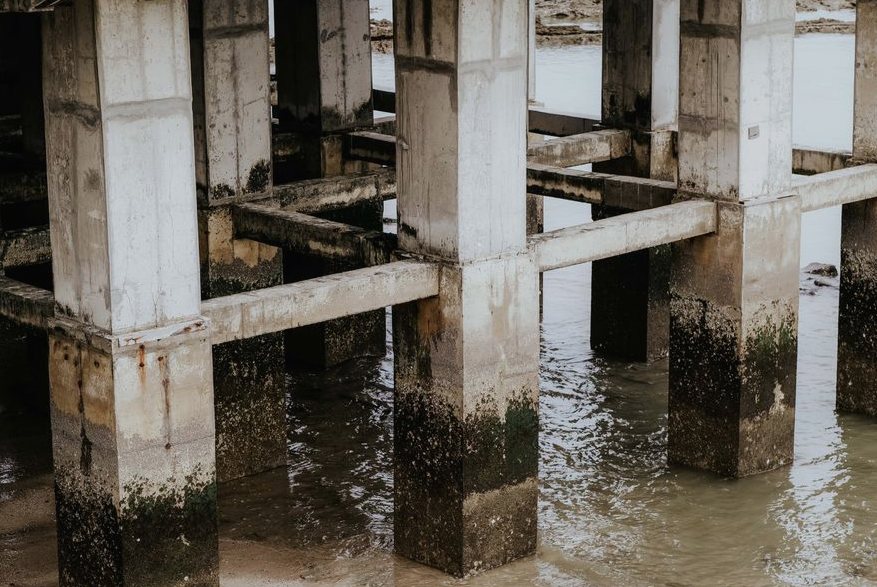
Akron has a high freeze risk, which puts significant freeze/thaw stress on your foundation. When water saturates the ground around your house, it expands as it freezes and contracts as it thaws. This constant movement stresses poured and block walls. Inside your basement or crawl space, unchecked moisture leads to dampness and deterioration, particularly at the cove joint where the wall meets the floor.
Vapor Barrier Installation
For crawl spaces and dirt basement floors, we install a vapor barrier using polyethylene sheeting. First, we clean and level the crawl space or basement floor. Next, we unroll the poly sheeting across the dirt. We overlap all seams by at least 12 inches and tape them to ensure a continuous barrier. Finally, we seal the perimeter directly to the wall using mastic. We also run a commercial dehumidifier to control moisture while we work.
Interior Wall Sealants
When water compromises the cove joint, we apply an interior wall sealant. We start by chipping out any deteriorated concrete at the joint. We pack the area with hydraulic cement and let it cure completely. Once cured, we apply a cementitious or acrylic elastomeric coating directly to the block or poured wall face to seal the surface.
Pricing
For a vapor barrier installation, prices range from $1,500 to $4,000. This covers the polyethylene sheeting, mastic, tape, and the labor to clean, level, and seal the space. Wall sealant pricing depends on the linear footage of the cove joint and the condition of the existing concrete.
Working Around Akron
From the field — what Akron throws at a project like this:
Climate
- Annual snowfall ~47.2 in. Peak month January (~13.4 in). NOAA Climate Normals 1991–2020.
- cold continental winters with hard freezes
- hot humid summers
- pronounced freeze/thaw cycling that stresses foundations
Soil & Ground
- expansive clay in river valleys raises heave risk
- EPA radon zone: 1 (soil-gas indicator).
Local Notes
- Serving Akron, OH and surrounding communities.
- Total population 189,526. Source: U.S. Census ACS.
- Median home value $111,200. Source: U.S. Census ACS.
- Housing stock: median year built 1954. Source: U.S. Census ACS.
See the Work
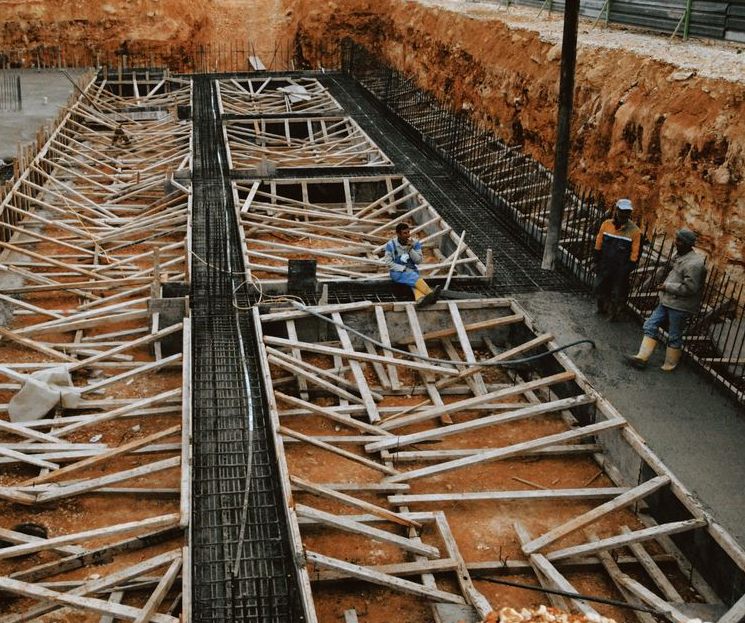
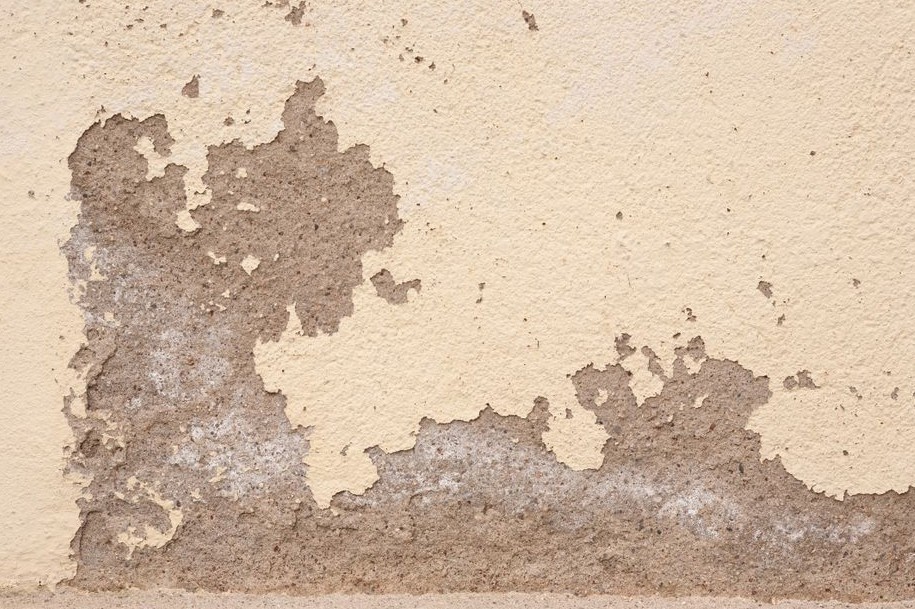
A visual look at what the service involves.
Our Process
-
Call or Text
A two-minute call is enough to tell us what we're working with and what to check first.
-
On-Site Inspection
A tech inspects the problem in person — no guessing from photos, no drive-by quotes.
-
Written Estimate
You get the scope and the price in writing before any work starts. No surprises.
-
We Do the Work
We complete the repair, verify it solved the problem, and stand behind the work.
Some of what that looks like in the field:
- Crawl space encapsulation: install a reinforced poly liner on the floor and up the walls, seal all pipe and column penetrations, close vents, and add a dedicated dehumidifier sized to the cubic footage.
- Window well drain installation: excavate below the well, install a perforated standpipe filled with gravel, connect to the interior drain system or allow it to drain to daylight.
Pricing Ranges
These are planning ranges. Nothing is final until it is in writing.
$490–$2500
$250–$1000
Questions Akron Homeowners Ask
Yes, waterproofing is generally a worthwhile investment. It prevents water damage, mold, and structural issues, protecting your home's value and your health. Though costs can be several thousand dollars, the long-term benefits—dry, usable space and avoided repair costs—often outweigh the upfront expense.
Standard homeowners insurance typically does not cover basement waterproofing, as it considers this a maintenance or improvement project. However, if water damage occurs due to a covered peril (e.g., a sudden pipe burst), the resulting repair may be covered, but not preventive waterproofing. Check your policy.
Basement walls should not "breathe" in the traditional sense. Uncontrolled moisture vapor transfer can cause mold and deterioration. Proper waterproofing and vapor barriers manage moisture by keeping liquid water out while allowing minor vapor diffusion. Modern systems create a controlled, dry environment.
Late spring through early fall is ideal for exterior foundation repairs, as warm, dry weather ensures proper curing of materials and allows excavation without freeze-thaw issues. Interior work can be done year-round. Avoid heavy rain seasons to prevent complications during excavation.
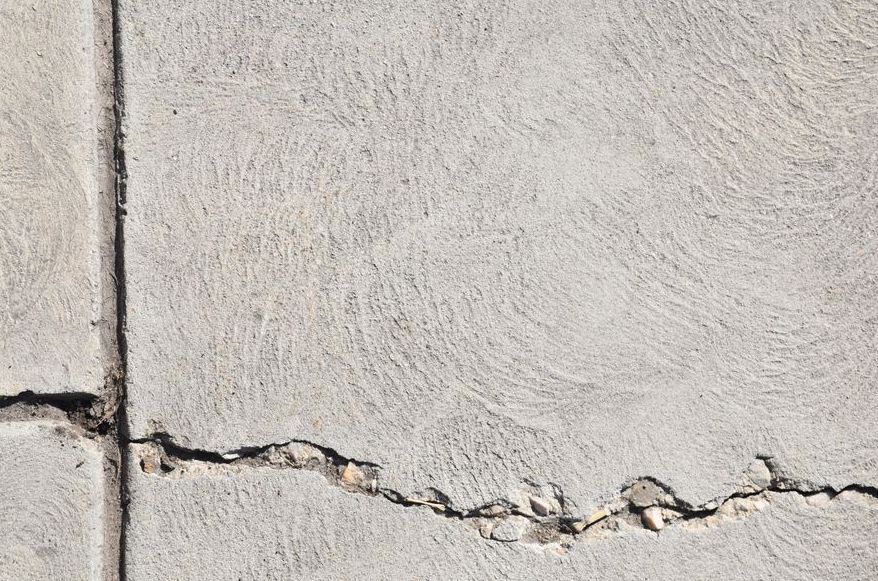
Yes, prolonged moisture can damage your foundation. Water creates hydrostatic pressure that can crack walls, erode mortar, and cause settling or heaving. Freeze-thaw cycles worsen cracks. Addressing leaks early prevents structural issues and costly repairs down the road.
The cheapest DIY approach is applying waterproof paint or sealant, costing about $1–$8 per square foot, but this offers only temporary protection against minor dampness. For lasting results, interior perimeter drains and a sump pump provide affordable, effective solutions, starting around $2,300 for a full system.
Damp proofing is a surface-applied coating that resists moisture vapor; true waterproofing manages hydrostatic pressure and bulk water intrusion through membranes, drainage systems, and sump discharge.
Other Things People Ask
French drain usually refers to an exterior perimeter trench filled with gravel and pipe to intercept surface and shallow groundwater; drain tile (interior or exterior) connects to a footing drain and routes water to a sump - both use perforated pipe but serve different water sources.
In most basements, yes - a properly sized dehumidifier maintains relative humidity below 60 percent to prevent condensation, residual mold growth, and wood rot even after bulk water is controlled.
Interior drain tile with a quality sump pump typically carries a long-term transferable warranty from reputable installers; exterior membrane systems can last the life of the structure if the drainage layer is maintained.
Cutting into the slab for interior drain tile or installing a sump discharge line usually requires a plumbing or building permit; exterior excavation to the footer also requires a permit in most jurisdictions - we pull whatever the local code requires.
The most common causes are hydrostatic pressure from a high water table, poorly graded soil that drains toward the foundation, clogged or absent footing drains, and cracked poured or block walls that allow lateral water migration.
Related Services
Communities We Cover
We work across Akron, OH. Call (234) 226-1592 to confirm coverage for your address.
Where We Stand Before You Call
- Free Estimates
- The visit and the written scope cost you nothing.
- Measured, not guessed
- Numbers come from the site visit, not from a script.
- Local crew, local jobs
- The people quoting your job work these same streets.
- The quote is the price
- The quote is the invoice. Surprises are for birthdays.
Fast Scheduling
Talk to a local pro now: (234) 226-1592.
Free estimates · No-pressure scheduling